

Mongol Mythology
The strangest myth thread in the reveal — and the one that tells you God of War is thinking bigger than anyone expected.
ℹ️ Pre-Release Content
Mongol Mythology in God of War Laufey
If Egyptian mythology was the familiar fan guess, Mongol mythology was the real curveball. Its presence in God of War Laufey is one of the strongest signals that the Everywhen is not just opening one or two new myth doors — it is throwing them all open at once.
Mongol mythology is one of the two new mythological systems officially confirmed for the game (alongside Egyptian). While Norse remains the emotional backbone, the inclusion of Mongol traditions tells fans that Santa Monica Studio is willing to reach beyond the usual Greco-Norse-Egyptian triangle that dominates most mythology-based media.
Begtse — The Mongolian God of War
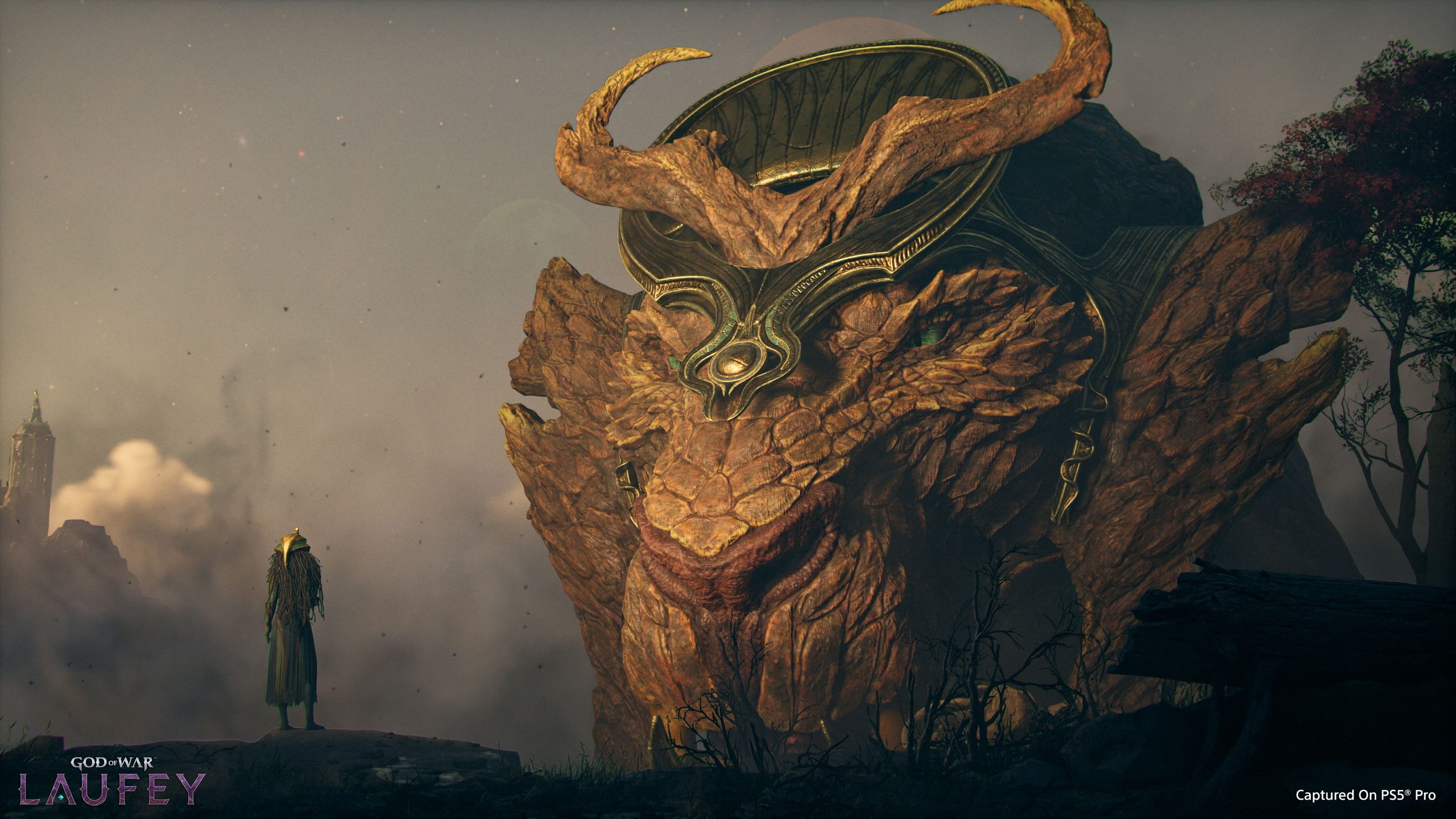
Begtse is the Mongolian God of War and the second non-Norse deity confirmed for God of War Laufey (after Sekhmet). Per Wikipedia's August 2026 revision, he and Sekhmet are the game's officially announced antagonistic characters— Faye's opponents, not just worldbuilding fixtures. His name comes from the Mongolian word for “armor”, which fits both the visual impression from the reveal and the martial nature of his mythological role.
In the Everywhen, Begtse serves as Sekhmet's “afterlife bodyguard”— a role that immediately establishes two important things about the setting's power structure. First, the Everywhen has factions and hierarchies, not just isolated encounters. Second, the relationship between deities from different mythologies can be close and strategic, not just adversarial.
Ariel Lawrence described wanting to “showcase that feeling of an even match” between Sekhmet and Begtse. That framing suggests their dynamic is more nuanced than a simple boss-subordinate relationship — Begtse may be a protector, but he is also a war god in his own right, and the Everywhen's pressure-cooker environment could test that alliance.
The Begtse–Sekhmet Dynamic
The pairing of Begtse and Sekhmet is one of the most intriguing details about the Everywhen's social structure. On paper, it is an unlikely alliance — an Egyptian goddess of plague and vengeance protected by a Mongolian war god. But in the Everywhen, where every deity is trapped and fighting for survival, cross-mythology alliances make practical sense.
This dynamic tells us several things about the game's narrative design:
- Mythology is not siloed.Deities from different traditions can and do form relationships in the Everywhen, which means the story is not structured as “one mythology per area.”
- Power hierarchies exist. Sekhmet has a bodyguard, which implies she holds enough status or power to command one — or that their relationship is built on something other than raw authority.
- Faye disrupts the order.Whatever equilibrium these paired deities have established, Faye's arrival — a Frost Giant Guardian with amplified soul powers — is likely to upset it.
Mongolian Mythological Traditions
Mongolian mythology is rooted in the shamanic and animist traditions of the Central Asian steppe, heavily influenced by Tibetan Buddhism, Tengrism (worship of the sky god Tengri), and the warrior culture of the Mongol Empire. It is less structured than Greek or Norse mythology — there is no single written canon — but it is rich in spirits, protector deities, and martial figures.
Key elements that may be relevant to God of War Laufey:
- Tengrism— The ancient sky-worshipping tradition of the steppe peoples. Tengri, the eternal sky, is the supreme deity. If the Everywhen draws on Mongol traditions, Tengri's shadow could be significant.
- Dharma Protectors — In Tibetan Buddhist tradition (which heavily influenced Mongol religion), protector deities guard the teachings and the faithful. Begtse fits this archetype — a fierce guardian figure whose violence serves a protective purpose.
- Warrior Spirits — Mongol mythology is rich in martial figures, ancestral warriors, and battle spirits. In a setting defined by war gods, this tradition offers a different flavor of martial divinity than the Greek or Norse pantheons.
- Shamanic Journeying— Mongol shamans serve as intermediaries between the living and spirit worlds. This could parallel Faye's role as someone navigating the boundary between life and death in the Everywhen.
These connections are interpretive, not confirmed. Only Begtse has been officially named, and the extent to which Mongolian mythology shapes the Everywhen beyond his character remains to be seen.
Why Mongol Mythology Matters for the Series
Including Mongol mythology is a statement. The God of War series has always been defined by its mythological settings — first Greek, then Norse. Both are “Tier 1" mythologies in terms of global cultural awareness. Mongolia is not.
By reaching into a less globally known mythological tradition, Santa Monica Studio signals that the Everywhen is not just a crossover event for famous pantheons — it is a genuine mythological melting pot. This raises the ceiling for what the God of War universe can explore in future games, and it gives Laufey a sense of scope that a simple Norse sequel would lack.
For players unfamiliar with Mongol mythology, Begtse's presence is also an invitation to learn something new — the same way Kratos' Greek origins and Norse reinvention introduced millions of players to those mythologies.
What to Expect
With Begtse confirmed as a named character with a defined relationship to Sekhmet, Mongol mythology is more than a visual motif — it is an active narrative thread. Key questions to watch as more information surfaces:
- Whether Begtse is fought as a boss, encountered as an ally, or shifts between roles
- If other Mongolian deities or spirits appear alongside Begtse
- How Begtse's protector role plays into the Everywhen's factional conflicts
- Whether Mongol shamanic traditions influence Faye's abilities or the Everywhen's mechanics
This page will be updated as official information is released. For the central setting that houses all mythologies, see the Everywhen page.