

Locations & Realms
The places and visual clues shown so far — from frozen Nordic landscapes to Egyptian deserts and beyond.
ℹ️ Pre-Release Content
The Geography of God of War Laufey
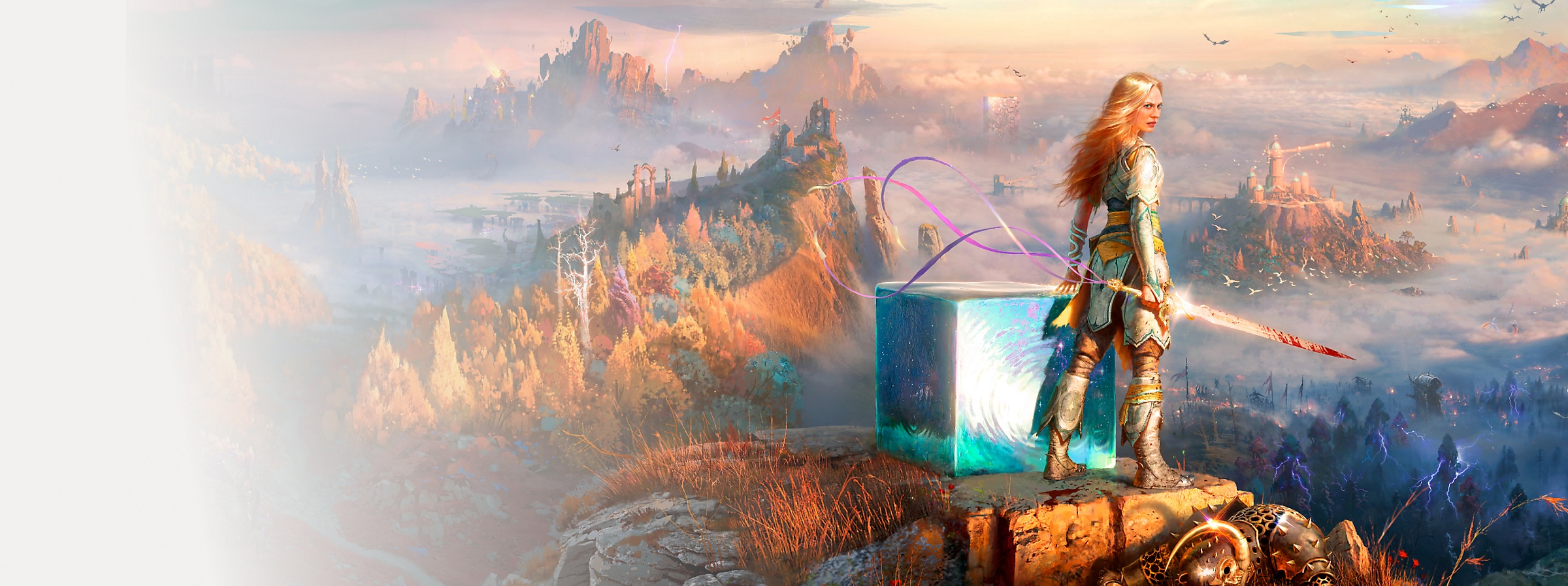
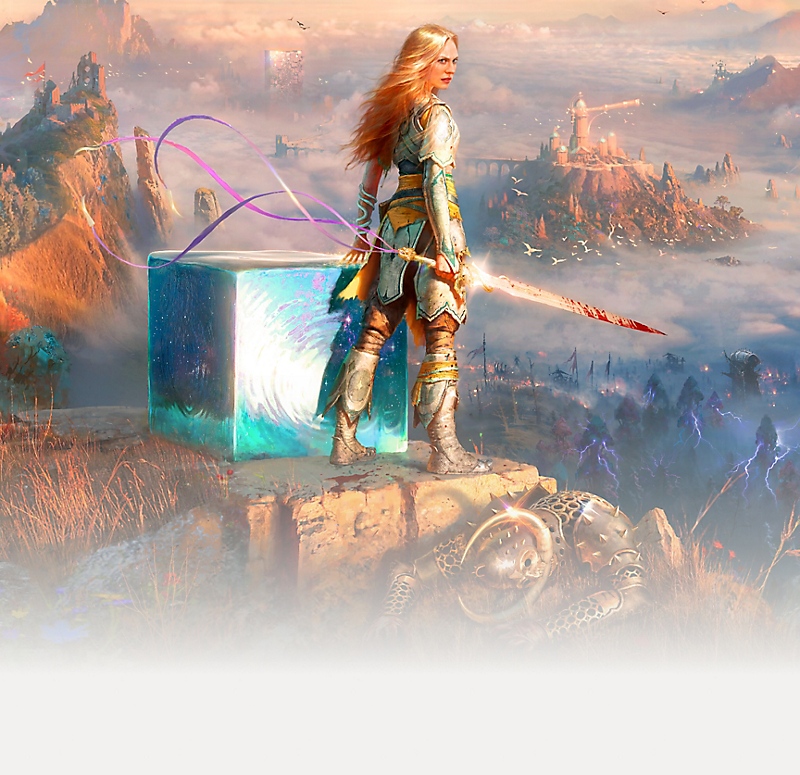
God of War Laufey takes place primarily in the Everywhen— a setting that does not follow the single-realm structure of previous games. Where God of War (2018) and Ragnarök were anchored in the Nine Realms of Norse mythology, Laufey's world is a convergence zone where environments from multiple mythological traditions bleed into each other.
The 20-minute gameplay reveal showed a wider range of visual environments than any previous God of War game. This is consistent with the Everywhen's premise: it is the afterlife of all mythologies, so its geography reflects the overlapping influence of every pantheon that has ever existed.
Environments from the Reveal
Based on the State of Play gameplay reveal, God of War Laufey moves through a diverse set of environments that blend mythological traditions:
- Frozen Nordic Landscapes — Familiar icy terrain reminiscent of Midgard and the Nordic regions seen in GoW 2018 and Ragnarök. These areas likely represent the Norse influence within the Everywhen and serve as visual grounding for returning players.
- Desert Environments with Egyptian Architecture— Sandy, sun-baked environments featuring structures that echo Egyptian temple design. These confirm the Egyptian mythology thread and suggest dedicated zones where that pantheon's influence is strongest.
- Mixed-Cultural Areas— Perhaps the most visually striking environments in the reveal show architecture and terrain that blends multiple mythological styles in a single space. Stone columns next to steppe-style fortifications, Norse runes carved into Egyptian-inspired walls — this is the Everywhen's core visual identity.
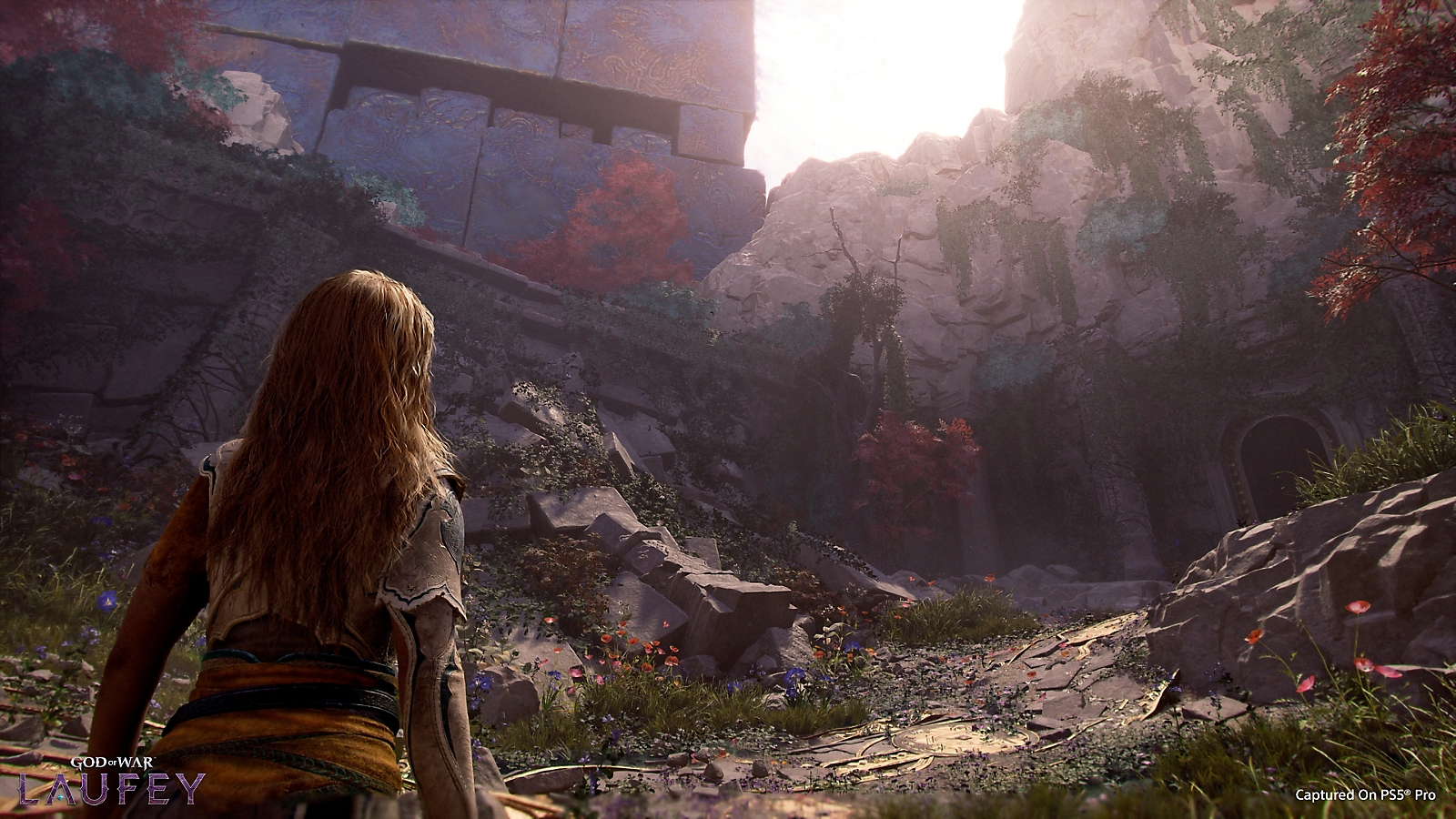
- Ancient Ruins and Temples— Dilapidated structures that suggest the Everywhen has its own history, potentially stretching back further than any single mythology's timeline. These ruins may contain lore about how the afterlife of gods came to be.
- Magical Hazards and Distorted Terrain— Cory Barlog described the Everywhere's magic as “amplified a thousandfold” compared to the Norse and Greek realms. The environments show visible signs of this: terrain that shifts, magical distortions in the air, and areas where physics seems to bend.
- Underground and Cavernous Spaces— Darker, more enclosed environments that may connect to specific mythological underworlds or serve as the Everywhen's equivalent of “dungeons.”
The Norse Legacy — Nine Realms Connection
Although Laufey takes place in the Everywhen rather than the Nine Realms, Norse mythology still shapes the game's geography in important ways. Faye's personal history is Norse — she is a Frost Giant from Jotunheim, the Guardian of the Jötnar, and the protector of the Wildwoods where Kratos and Atreus made their home.
The Nine Realms of Norse mythology, as established in GoW 2018 and Ragnarök, provide the baseline that players are expected to recognize:
- Midgard — The realm of humans, Kratos' home
- Asgard — Realm of the Aesir gods (destroyed in Ragnarök)
- Jotunheim — Realm of the Giants, Faye's homeland
- Alfheim — Realm of the Light and Dark Elves
- Helheim — The realm of the dead
- Muspelheim — Realm of fire, home of Surtr
- Niflheim — Realm of mist and poison
- Svartalfheim — Realm of the dwarves (where the Leviathan Axe was forged)
- Vanaheim — Realm of the Vanir gods, home of The Crater (shaped by Faye's battle with Thor)
These realms are not the primary setting of Laufey, but they are the world Faye left behind. The Everywhen's Norse-coded environments serve as emotional touchstones — visual reminders of the life and family Faye is separated from.
How Exploration Might Work
Unlike GoW 2018's hub-and-spoke realm travel or Ragnarök's expanded realm access, the Everywhere's geography suggests a different approach to exploration. The overlapping nature of the environments — Norse ice blending into Egyptian sand, ruins from unknown cultures scattered between them — implies a more organic, interconnected world rather than discrete realms connected by a travel mechanism.
Several observations from the reveal support this:
- Faye's enhanced mobility — including double jump and aerial combat — suggests the environments are designed with vertical exploration in mind, more so than previous God of War games.
- The mixed-cultural areas indicate that transitions between mythological zones may be gradual rather than abrupt, with the world flowing between influences rather than loading between separate areas.
- The Everywhen's magic density (a thousandfold higher than normal) may create environmental puzzles or traversal challenges that change as Faye's abilities develop.
What to Expect
The Everywhen's geography is one of Laufey's biggest unknowns. While the reveal showed diverse environments, the full scope of the map — how many distinct zones exist, whether they connect linearly or via an open world, and how travel works — remains to be seen.
Key questions to watch:
- Whether the Everywhen is fully open-world or structured around connected zones
- If specific locations from GoW 2018/Ragnarök can be revisited from the Everywhen's side
- How the Leviathan Axe's freezing and the legendary sword's abilities interact with environmental puzzles
- Whether the environments change over the course of the story as Faye's influence grows
This page will be expanded as more location information is revealed. For the central setting concept, see the Everywhen page.